Perimeter Security With Minimal Long-Term Work
Metal Fencing Installation in Bokchito for Commercial Properties, Residential Perimeters, and Agricultural Security Applications
Metal fencing provides structural strength that wood can't match and appearance retention that chain-link doesn't offer, making it suitable for properties where security and presentation both matter. Installations by Rockin' B Fence Co. throughout Bryan County include wrought iron-style ornamental fencing for residential entrances, tubular steel panels for commercial yards, and livestock panels for agricultural properties. The material resists Oklahoma's temperature swings without warping, doesn't require the recurring staining that wood demands, and maintains its profile for decades with minimal intervention beyond occasional cleaning.
The installation process varies with metal type—ornamental fencing uses welded steel pickets attached to horizontal rails and set between posts, while agricultural metal panels bolt together in continuous runs anchored to driven or set posts. Powder coating or galvanization protects steel from corrosion, with coating quality determining how long the finish resists rust in humid conditions. Post foundations must support the weight of metal panels, which exceeds wood or wire fencing and requires deeper footings or heavier anchoring systems.
Arrange a site assessment to review metal fencing styles and post configurations suited to your property's security requirements and aesthetic preferences.
What Changes After Metal Fencing Installation
Galvanized steel receives a zinc coating that chemically bonds to the base metal, creating a barrier against moisture and oxygen that prevents rust from reaching the steel underneath. Powder-coated finishes add a baked-on paint layer over the metal surface, offering color options and additional protection in applications where appearance matters. Unlike wood, metal doesn't absorb moisture that leads to rot, and unlike vinyl, it doesn't become brittle from UV exposure or crack during cold snaps when temperatures drop below freezing.
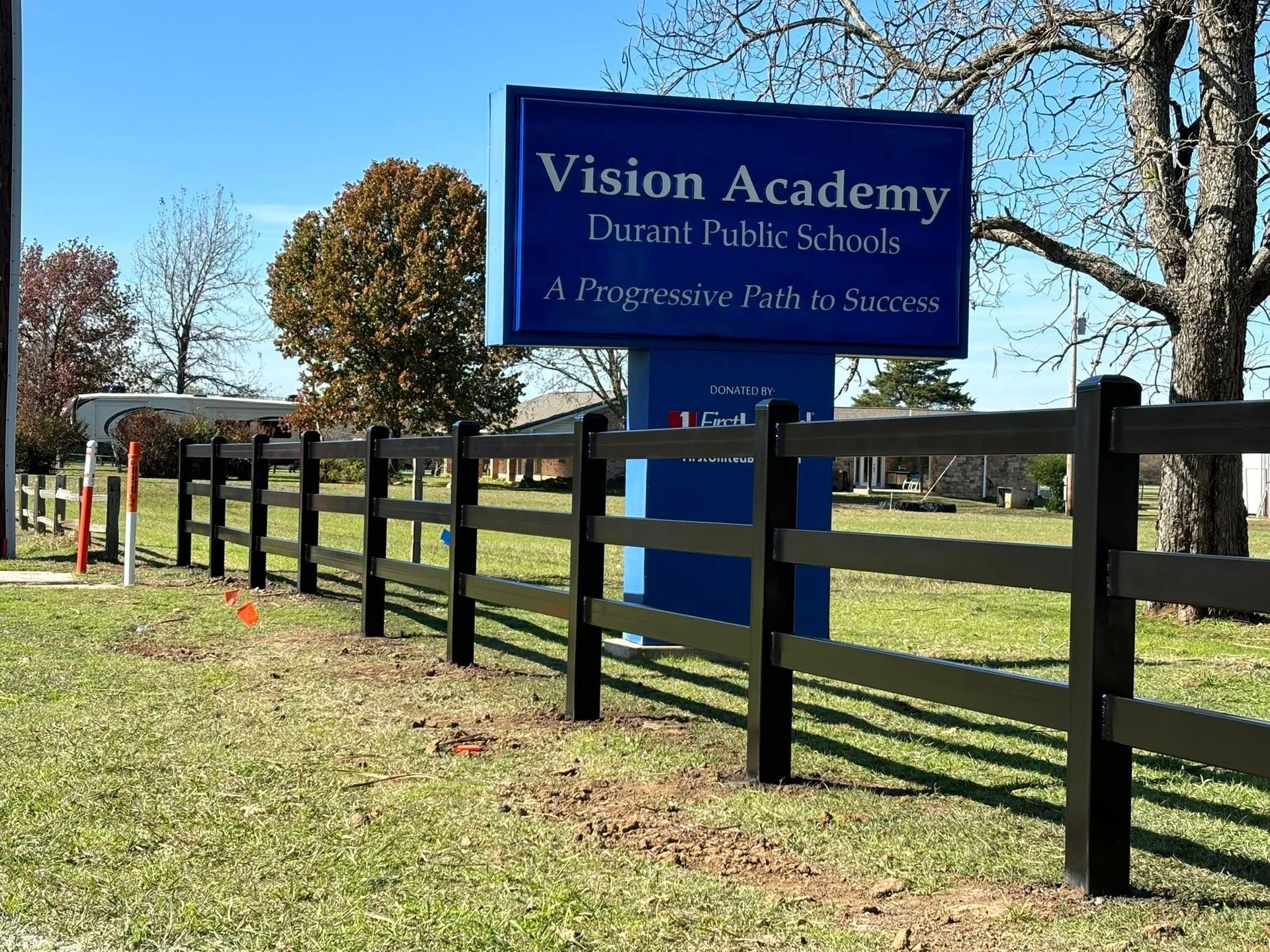
Once your metal fencing is installed, you'll see clean, straight lines that don't sag between posts, gates that operate smoothly on welded hinges without the binding that affects wood gates, and a perimeter that maintains its appearance without seasonal maintenance. The fencing doesn't splinter, warp, or fade, and it resists impact better than lighter materials when struck by equipment or vehicles. Livestock recognize the solid barrier and don't test it the way they might push against wire fencing, and the open picket design allows airflow while still defining clear property boundaries.
Metal fencing applications range widely—ornamental iron-style designs work for residential front yards and pool enclosures where appearance matters, heavy-duty tubular steel suits commercial properties storing equipment or materials, and welded wire livestock panels provide agricultural containment that handles animal pressure without the maintenance demands of wooden corral fencing. Each application uses different metal gauges and post systems matched to the specific load and security requirements.
Property owners evaluating metal fencing options often need clarity on material differences, installation approaches, and how metal performs in rural and commercial settings across southeastern Oklahoma.
Common Questions About This Service
What type of metal fencing works best for commercial properties?
Tubular steel fencing with minimal decorative elements provides security for equipment yards and commercial lots without the cost of ornamental designs, and the welded construction resists tampering better than chain-link. Heights typically range from six to eight feet for security applications.
How does metal fencing handle Oklahoma's weather conditions?
Galvanized and powder-coated steel resists rust even during humid summer months and temperature swings between winter freezes and summer heat, maintaining structural integrity longer than wood in moisture-prone areas. The coating quality determines long-term performance, with thicker galvanization or powder coating extending the lifespan in exposed locations.
What maintenance does metal fencing require over its lifespan?
You'll need to clean accumulated dirt or mildew with water and a brush, check that gate hinges and latches operate freely, and inspect for coating damage that exposes bare metal to moisture. Most metal fencing requires no maintenance beyond cleaning for the first decade or longer, depending on coating type.
How are metal fence posts anchored for stability?
Posts are set in concrete footings sized to handle the weight of metal panels and wind loads on solid surfaces, typically deeper and wider than wood fence footings due to the increased lateral stress. Rockin' B Fence Co. adjusts footing depth based on whether the fence runs through level ground or slopes, and whether the installation is in open terrain with wind exposure.
When should metal fencing be chosen over wood or chain-link?
Metal fencing makes sense when you need longevity without ongoing maintenance, when appearance matters but privacy isn't required, or when the fence must handle impact from equipment or livestock. It costs more initially than chain-link but eliminates the staining and board replacement that wood demands.
Rockin' B Fence Co. installs metal fencing across residential, commercial, and agricultural properties in Bryan County and surrounding areas, tailoring material selection and post systems to each site's specific demands. Request a detailed estimate based on your property layout, security needs, and preferred fencing style.